The Manus Lab applies ecological and evolutionary perspectives to investigate the development of the human microbiome. Our research is focused on the microbiome’s role in connecting early life environments to health outcomes, as these dynamics are relevant to questions about human adaptation and evolution, as well as contemporary issues in global health.
The human milk microbiome embeds environmental signals and shapes early life health
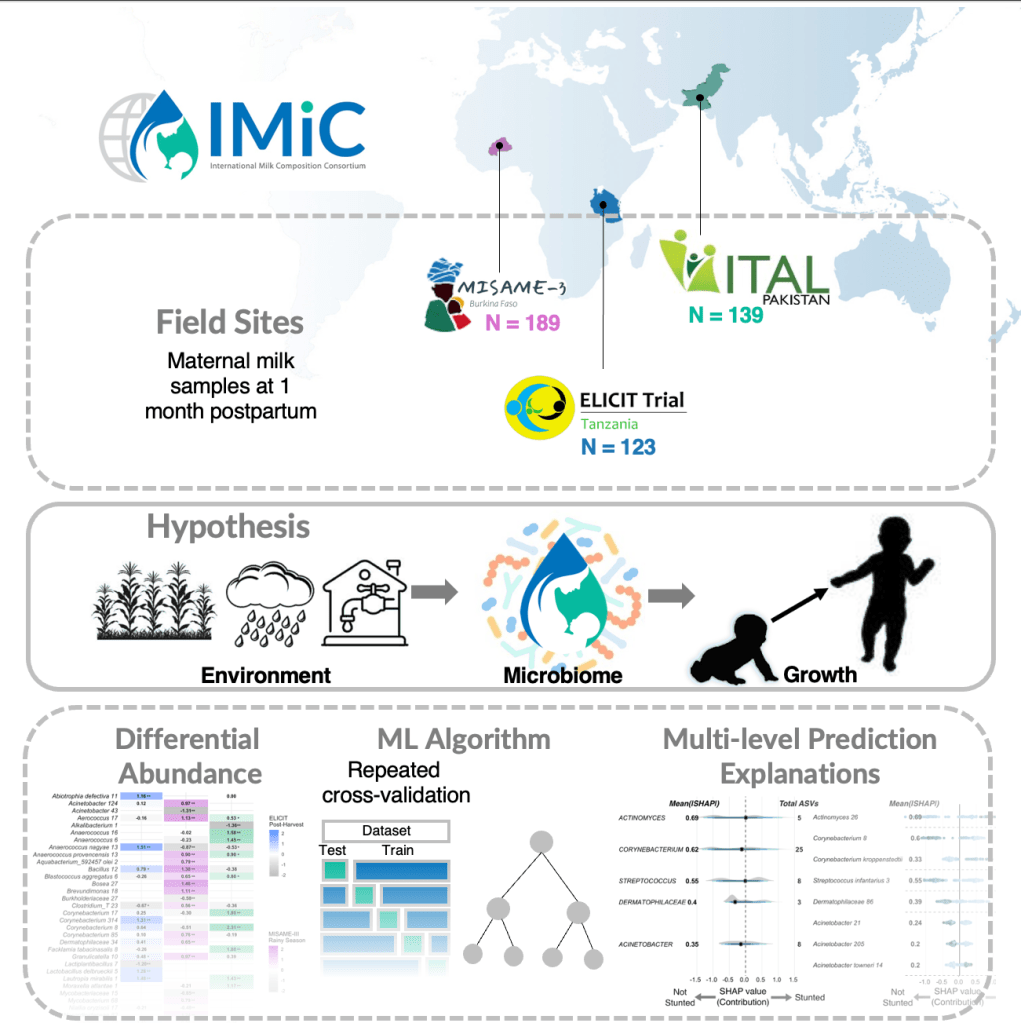
Human milk transmits microbes to infants during a critical window of physiological development. Working with colleagues in the International Milk Composition Consortium (IMiC), I detected seasonal variation in the composition of the human milk microbiome in Tanzania, Burkina Faso, and Pakistan, and identified bacterial species that predicted infant growth.
In research led by my IMiC colleage, Lishi Deng, we found associations between milk and infant gut microbiomes in Burkina Faso, and that infant gut microbial profiles predicted future milk composition, suggesting a potential bidirectional pathway of communication between infant and maternal biology.
In collaboration with the CHILD Study in Canada, my colleagues and I found that milk feeding reduced childhood health risks in lower socioeconomic contexts through enrichment of the infant gut microbiome. This work communicates the important public health message that human milk may mitigate health risks associated with the biological embodiment of social adversity.
The human skin microbiome in an evolutionary context
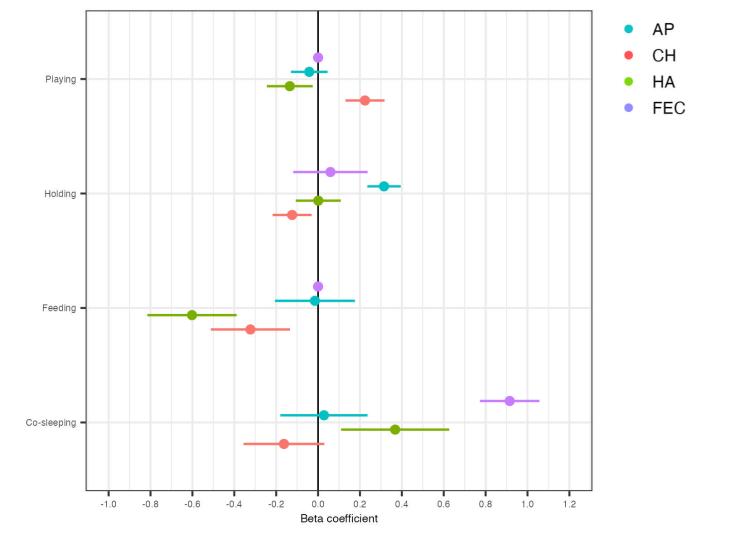
The skin is the primary interface between the human body and the surrounding environment. It is also a main point of contact between infants and their caregivers, including the non-maternal caregivers (i.e. alloparents) who are a key part of the human life history strategy. Working with families in Chicago, I characterized the relationships between alloparental care and the infant microbiome. I found that certain alloparental behaviors had stronger associations to infant skin microbial diversity than others.
In a longitudinal analysis of skin microbiome development over the first 6 weeks of life, I found that evolutionarily novel factors of the birth environment (e.g. bathing and antibiotics) may alter the microbial colonization of newborn skin, and that factors of the social environment during infancy likely contribute to the microbial composition of the skin.
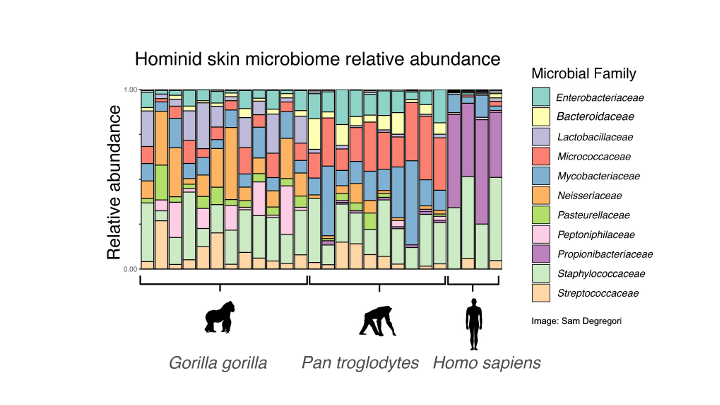
Working with colleagues at the Lincoln Park Zoo, we compared the facial microbiome of adult humans, chimpanzees, and gorillas. We found a unique taxonomic and functional profile on human faces, dominated by bacterial species not closely related to those on the non-human primates. We also detected differences in skin microbiome functional profiles across the 3 primate species.
Household environments and the infant gut microbiome in Cebu, Philippines
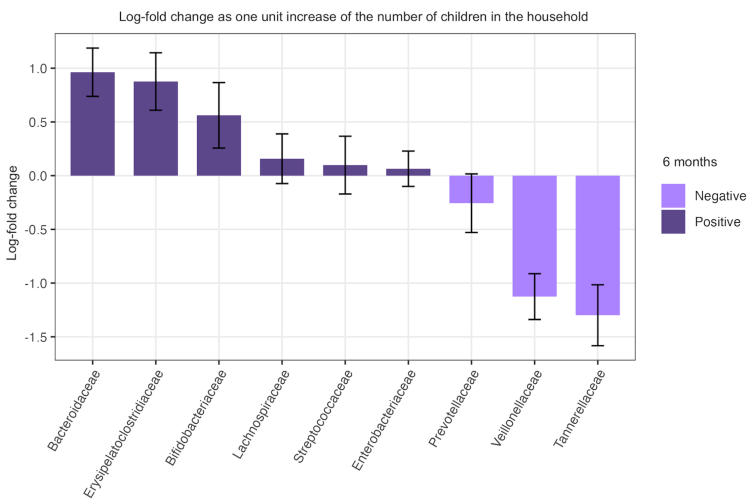
In collaboration with colleagues at the Office of Population Studies at the University of San Carlos in Cebu, I found that prenatal household size predicted infant gut microbial diversity. This relationship differed at 2 weeks versus 6 months of age. As infants grow older and become more mobile, they may interact with microbes that persist in the broader household environment.
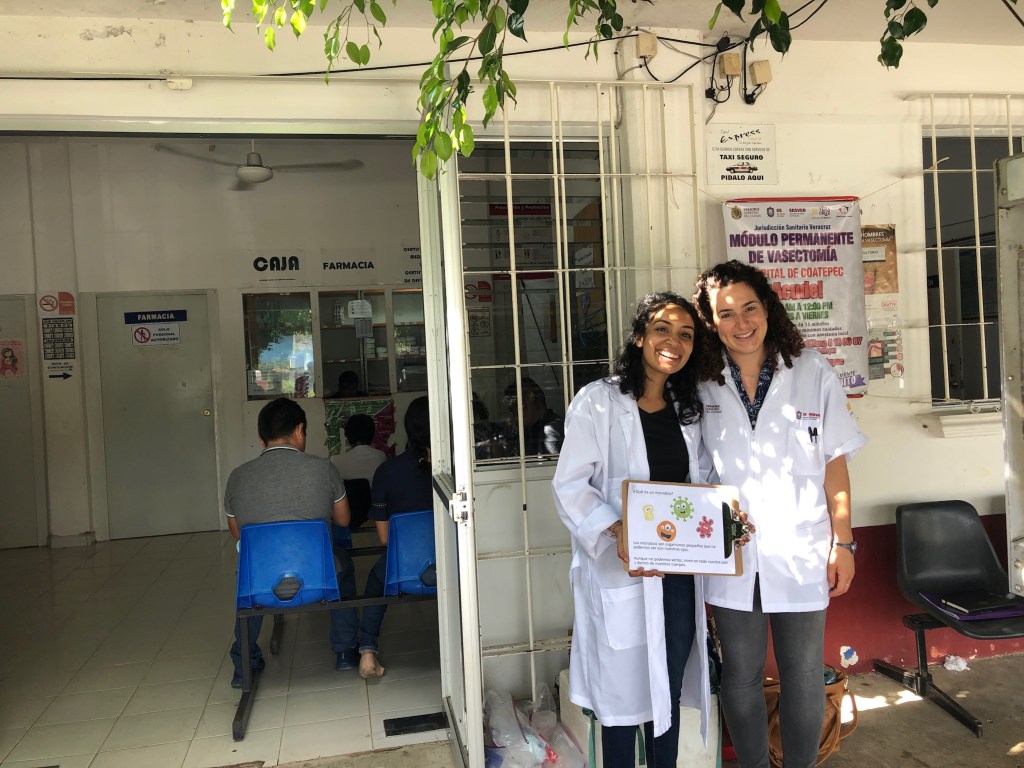
Infant skin microbiomes vary across a rural-urban gradient in Veracruz, Mexico and Chicago, USA
In collaboration with Dr. Alejandra Núñez de la Mora of Universidad Veracruzana, I conducted a comparative study of the infant microbiome in Mexico and the USA. We found that variation in infant skin microbial communities was driven by (a) body site and (b) lifestyle factors that shape infants’ physical and social environments.
We also tested different sample collection and storage methods, and found that storing samples in ethanol is a promising, field-friendly approach for conducting skin microbiome research in resource-limited settings.
Human-cattle-environment interactions and the skin microbiome in Mandena, Madagascar
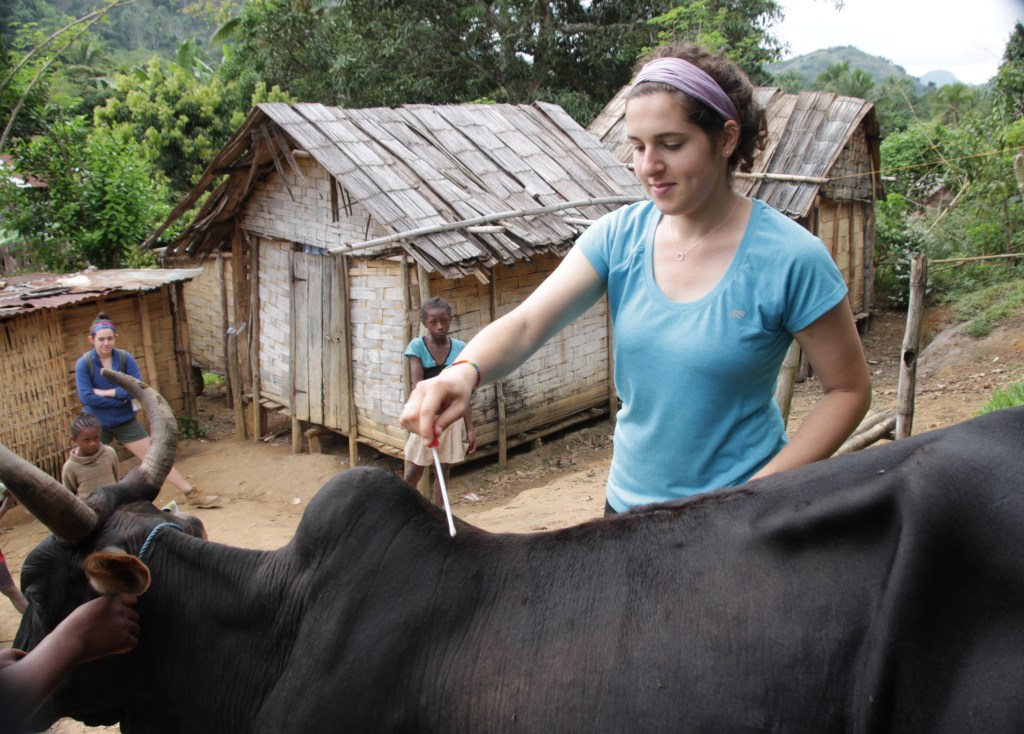
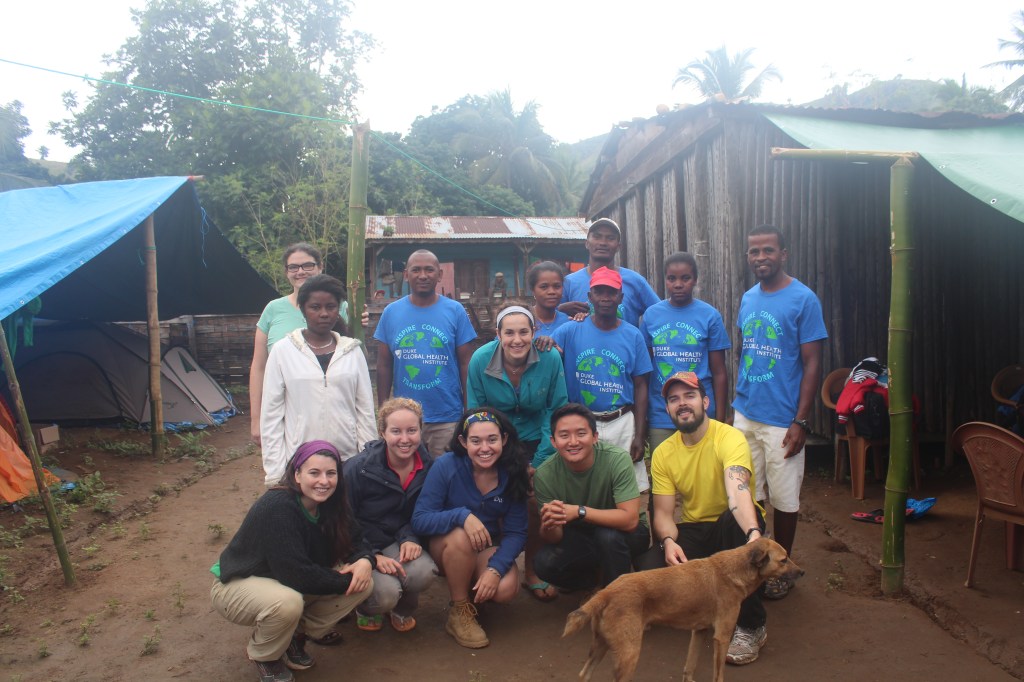
As a part of my research with the Duke Global Health Institute, I found that the degree of similarity between the skin microbiome of agriculturalists and their livestock, as well as the impact of antibacterial soap on the skin microbiome, varied by skin site. Our research supports the idea that different body sites serve as distinct ecological niches for microbes, and that the skin microbiome reflects human-environment interactions.
Drivers of hypertension and variation in sleep in Mandena, Madagascar
Our research team also explored elevated rates of hypertension in Mandena, and in a study led by Dr. David Samson, we characterized patterns of sleep ecology.
You can view a full list of my publications here.
 Melissa B. Manus, PhD, MSc